Ferrari Tuning That Respects the Whole Car
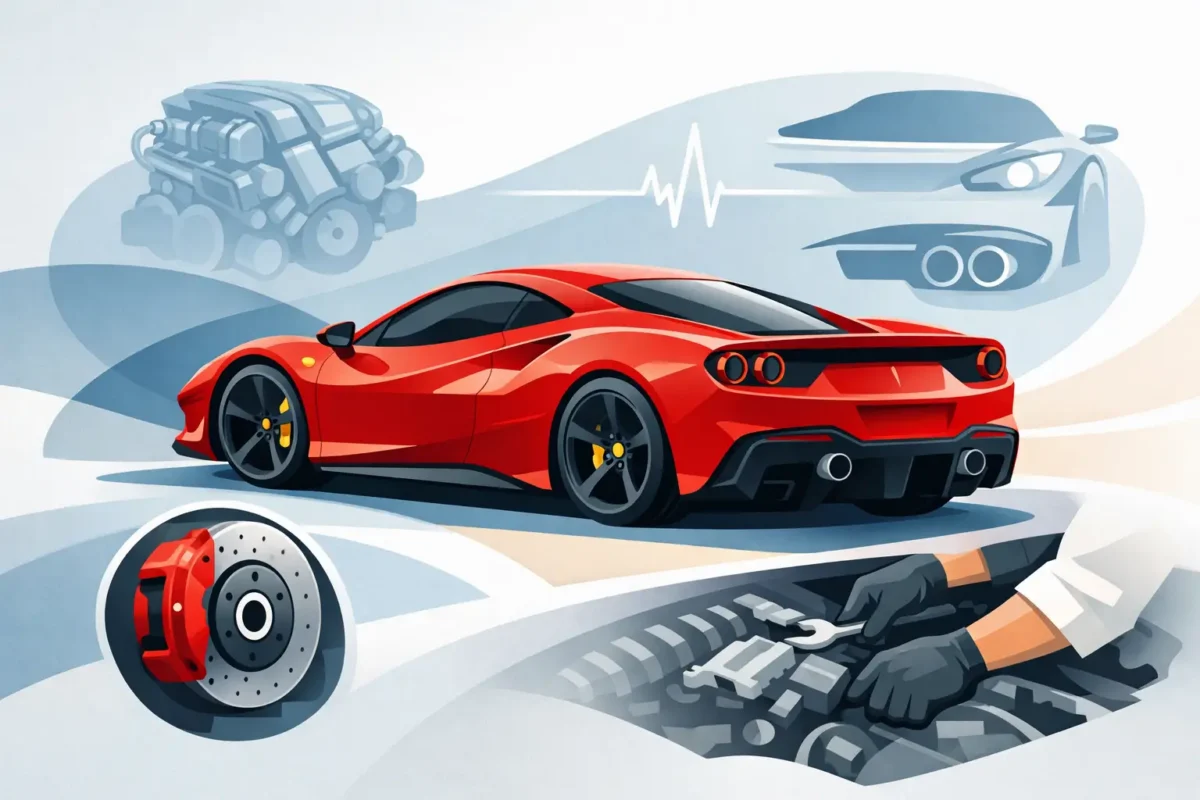
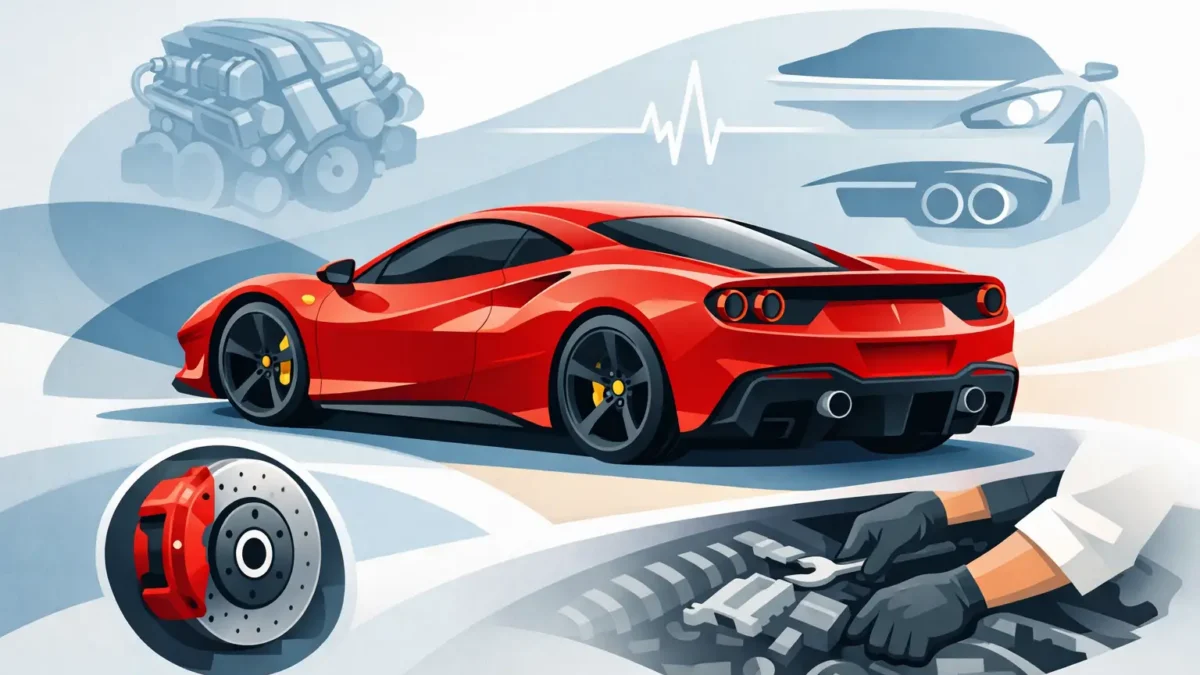
A Ferrari rarely feels slow from the factory. That is not the point of Ferrari tuning. The real opportunity is to make the car respond more immediately to the driver: cleaner throttle mapping, stronger midrange pull, more decisive shifts, and calibration that better matches how the car is actually driven. Done correctly, tuning does not try to overwrite Ferrari engineering. It refines the areas where factory programming leaves room for a more personal, more engaging experience.
For owners who know the difference between a big dyno number and a genuinely better car, that distinction matters. A Ferrari is a tightly integrated performance platform. Engine management, transmission strategy, traction control, temperature protection, and torque monitoring all work together. The best result comes from treating them as a system, not chasing one headline figure.
What Ferrari Tuning Should Actually Improve
Factory calibrations must account for global fuel quality, extreme climates, emissions requirements, noise regulations, warranty exposure, and drivers with very different skill levels. That conservative margin is understandable, but it can leave a noticeable layer between the driver’s input and the car’s response.
A carefully developed ECU calibration can improve throttle response, optimize boost and ignition targets on turbocharged models, and refine torque delivery through the usable rev range. On naturally aspirated Ferraris, the gains may be less dramatic on paper, but sharper pedal response and more purposeful power delivery can still change the character of the car. The goal is not to make every model feel artificially aggressive. It is to make the engine feel more awake when the driver asks for it.
Transmission behavior is equally important. Many modern Ferrari models use sophisticated dual-clutch gearboxes that are capable of rapid shifts, yet factory TCU programming may still prioritize smoothness, component protection, or a broad range of driving habits. Where supported, TCU tuning can improve shift logic, reduce unnecessary hesitation, refine downshift response, and better manage available torque. A stronger engine calibration without proper transmission strategy can leave performance on the table.
The best Ferrari tuning feels natural. It should not create lurching low-speed behavior, a touchy pedal that is difficult to modulate, or harsh shifts every time the car leaves a parking lot. Street drivability matters just as much as full-throttle performance.
Ferrari Tuning Is Not One-Size-Fits-All
A 488 GTB, F8 Tributo, California T, Portofino, 812 Superfast, and Roma do not have the same needs. Turbocharged models often offer significant calibration potential because boost, torque management, and fueling strategies can be optimized within safe operating limits. Naturally aspirated V8 and V12 models require a more measured approach, where response, airflow-related modifications, and precise calibration are often more meaningful than oversized power claims.
The condition and history of the vehicle matter too. Before any software is changed, a professional should review for fault codes, battery voltage stability, service needs, fuel quality, and signs of mechanical issues. Tuning around weak ignition components, a boost leak, old spark plugs, or an existing drivetrain concern is not performance work. It is a shortcut that can turn an avoidable issue into an expensive one.
This is especially relevant for low-mileage exotics. A car can look immaculate and still need attention due to age, storage, or infrequent use. Fluids, tires, battery health, cooling-system condition, and proper warm-up habits all affect how confidently a Ferrari can be driven after upgrades.
The Right Questions Before a Tune
The first question should be how the car is used. A weekend cruiser, a highway grand tourer, a track-day car, and a vehicle that sees regular city traffic deserve different priorities. An owner who wants immediate passing power may value midrange torque and relaxed transmission behavior. A driver focused on track use may prefer more direct shift response and calibration built around consistent high-load operation.
Fuel is another critical variable. A tune designed around premium pump fuel must be calibrated for the fuel that is reliably available. If the vehicle will run a specific higher-octane blend, that needs to be discussed upfront. Aggressive timing targets based on fuel an owner cannot consistently obtain are not a smart long-term plan.
Finally, be realistic about the supporting hardware. Intake, exhaust, downpipes, intercooler upgrades, and other parts can complement a tune, but only when the software accounts for them. Bolting on parts without calibration can introduce check-engine lights, inconsistent performance, unwanted noise, or poor drivability. The software and hardware should be planned as one package.
Power Is Only One Part of the Driving Experience
A useful tune changes the way a Ferrari feels at normal road speeds, not just at wide-open throttle. The most satisfying improvements are often the ones that appear in the first few minutes behind the wheel: smoother response pulling into traffic, a more connected pedal, less delay when accelerating out of a corner, and a gearbox that understands the driver’s intent.
That is why torque management deserves attention. Modern performance cars monitor torque constantly, with the ECU, transmission, stability systems, and other modules sharing information. Increasing engine output without respecting those modeled limits can cause reduced-power behavior, erratic shifts, or fault codes. A proper calibration manages the relationship between requested torque, delivered torque, and drivetrain protection.
There is also a difference between loud and fast. Exhaust modifications can deliver a more dramatic soundtrack, but they should be selected for the owner’s tolerance for cabin resonance, startup volume, and local regulations. A Ferrari that sounds incredible for 20 minutes but becomes exhausting on every highway trip is not automatically an upgrade. The same applies to throttle mapping. More sensitivity is not always more control.
Protecting Reliability and Resale Value
Every performance modification involves trade-offs. More output creates more heat and additional load. That does not mean a well-calibrated Ferrari cannot be reliable, but it does mean the vehicle needs to be treated with the respect its engineering demands.
Service intervals, fluid quality, tire condition, and warm-up procedures become even more important. Owners should allow oil and coolant temperatures to reach appropriate operating range before demanding full performance. They should also understand that repeated launches, high-heat track sessions, and hard driving in extreme weather place demands on the car that a casual street tune does not erase.
Software changes should be performed with stable power supply, proper diagnostics, and a clear understanding of the vehicle’s original configuration. The ability to document the work and return to stock programming when appropriate can be valuable for troubleshooting, future servicing, and resale conversations. It is also wise to discuss potential warranty implications before modifying a newer vehicle.
Emissions compliance must remain part of the plan. Removing or defeating emissions-related equipment can be illegal for road use and can create inspection, service, and resale problems. The smarter path is performance work that preserves the car’s usability and avoids turning a refined exotic into a recurring warning-light project.
Why Custom Calibration Beats a Generic File
Generic files are tempting because they promise quick results. The problem is that two vehicles with the same badge can have different fuel, maintenance history, hardware, climate exposure, and owner expectations. A calibration that feels fine on one car may not be the best fit for another.
Custom work starts with the vehicle in front of the technician. It considers the exact engine and transmission, available fuel, installed modifications, current diagnostics, and the owner’s goals. That approach is especially valuable for premium European vehicles, where electronic systems are complex and the consequences of careless programming can be costly.
At GSW Performance, the focus is on personalized performance solutions rather than generic claims. For Ferrari owners in the Hamilton and Greater Toronto Area, that means discussing what the car needs before making changes, whether the priority is sharper response, stronger usable power, transmission refinement, or a complete upgrade plan.
A good tuner should be comfortable saying when a modification is unnecessary. If a car is already meeting the owner’s goals, or if maintenance should come first, that is useful advice. The objective is a Ferrari that is more rewarding to own, not simply more modified.
Choose the Result You Want to Feel
The right Ferrari tune should make the car feel more like itself, only more immediate, more confident, and better aligned with the way you drive. Start with a clear goal, confirm the vehicle is healthy, and choose calibration work that respects every system responsible for delivering that exhilarating performance. When the details are handled properly, the improvement is not just something you see on a dyno sheet. It is something you feel every time the road opens up.