Airmatic Suspension Lowering Service Done Right
A Mercedes with AIRMATIC should look as composed parked outside a restaurant as it feels carving through an on-ramp. An Airmatic suspension lowering service gives the vehicle that tighter, more planted stance without automatically giving up the comfort and adjustability that made you choose air suspension in the first place. Done correctly, it is not a shortcut or a guess at ride height. It is precise electronic calibration built around your vehicle, your wheels, and how you actually drive.
For Mercedes-Benz, AMG, and luxury-vehicle owners, the goal is simple: remove excess fender gap, sharpen the visual presence, and keep the factory system working as intended. The right approach can make a stock vehicle look finished while preserving the Comfort, Sport, and lift behavior you rely on.
What an Airmatic Suspension Lowering Service Actually Changes
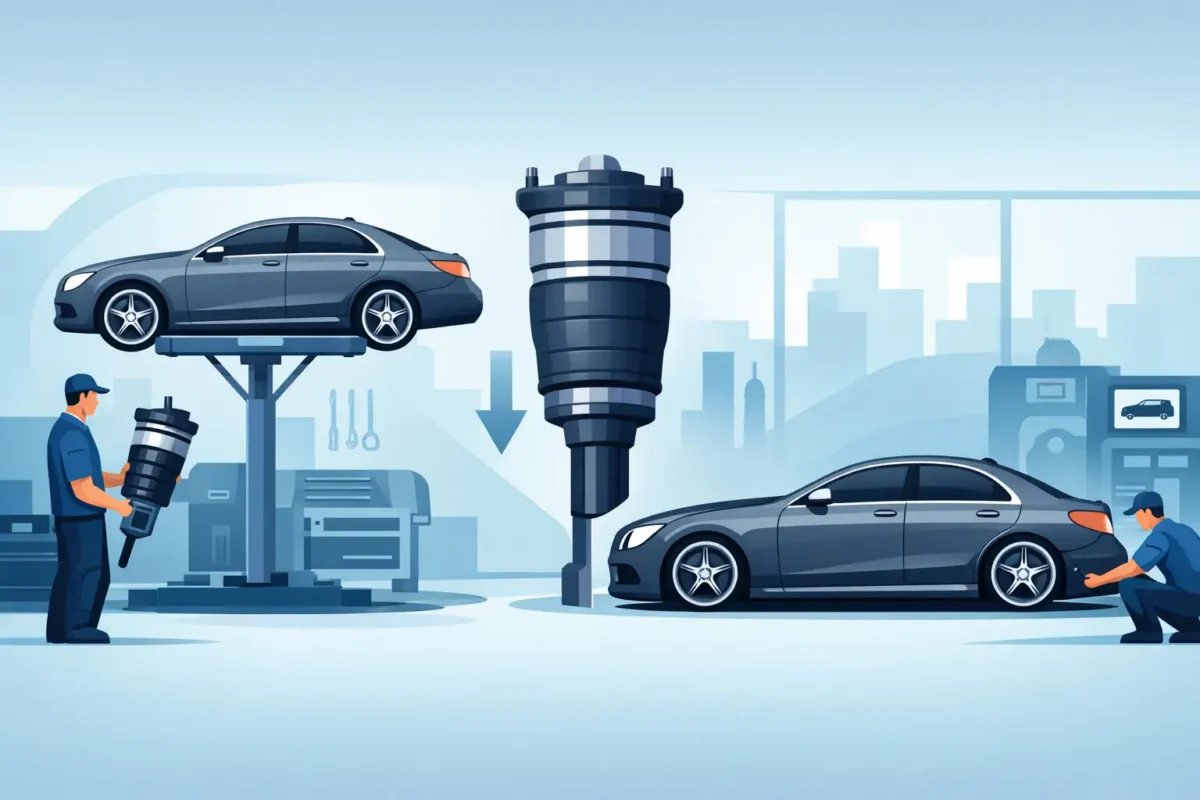
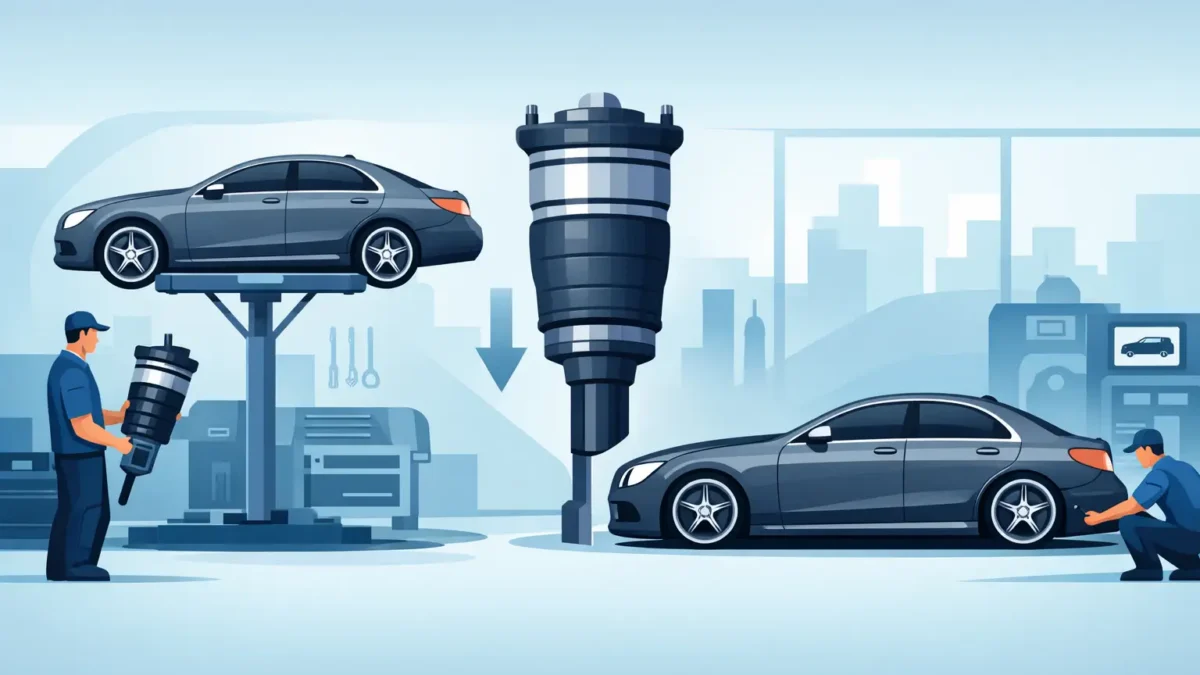
AIRMATIC uses air springs, level sensors, a compressor, valve blocks, and suspension control modules to manage the vehicle’s height. Rather than installing conventional lowering springs, an electronic lowering service adjusts the ride-height reference values recognized by the vehicle’s suspension system.
The vehicle still uses its factory air suspension hardware. What changes is the relationship between the height sensors and the module’s programmed target height. With properly configured coding and calibration, the car can sit lower at its normal operating level while retaining the ability to raise itself when the selected drive mode or road conditions call for it.
That distinction matters. A quality electronic lowering setup is not about forcing the air springs to their limits or tricking the system with poorly fitted hardware. It is about making controlled, measured adjustments that respect the vehicle’s operating range.
On the right Mercedes platform, this delivers the clean OEM-plus look enthusiasts want. Your E-Class, S-Class, CLS, GLE, GLS, or AMG can sit closer to the pavement with a more aggressive profile while still feeling like the refined luxury vehicle it was engineered to be.
Why Factory Ride Height Leaves Potential on the Table
Manufacturers set factory ride height for a broad range of conditions: full passenger loads, uneven roads, snow, driveway angles, warranty considerations, and markets with different regulations. That conservative setting works for everyone, but it does not always show off the proportions of the vehicle.
Lowering the normal ride height can visually transform a luxury sedan or SUV. Wheels fill the arches more naturally, the body appears longer and lower, and the vehicle gains the stance expected from a high-spec performance build. On AMG models in particular, a moderate drop can bring the exterior look closer to the attitude suggested by the powertrain.
There can also be a handling benefit, depending on the vehicle and the chosen setting. A lower center of gravity may reduce body movement and give the driver a more connected feel during quick direction changes. But this is where experience matters. Lower is not always better. An overly aggressive setting can reduce practical ground clearance, compromise suspension travel, accelerate tire wear through alignment changes, and make Toronto-area potholes far less forgiving.
The best result is a ride height that looks intentional and drives properly, not a car that scrapes over every ramp or rides at the edge of its adjustment range.
The Difference Between Coding and Lowering Links
There are several ways to lower an air-suspension vehicle, and they are not interchangeable. Physical lowering links alter the signal from the factory level sensors. They can produce a lower stance, but the system may not understand the true vehicle height in the same way it would after a proper electronic calibration.
Coding-based adjustment works through the vehicle’s electronic architecture where supported. This approach allows a specialist to set and calibrate values with the suspension module rather than relying solely on mechanical changes at the sensor linkage. It is a cleaner route for owners who want a tailored result and factory-like system behavior.
That said, vehicle compatibility matters. Mercedes platforms vary by generation, suspension option, and control-module software. Some vehicles offer more adjustment through diagnostic coding than others. A professional assessment should confirm what is available for your exact model before promising a specific drop.
Airmatic suspension lowering service is also different from a coilover installation. Coilovers replace core suspension components and are often selected for dedicated performance or track-focused builds. Electronic AIRMATIC lowering keeps the air suspension character intact, making it an excellent choice for owners who want a more aggressive look without turning a daily-driven luxury car into something harsh or inconvenient.
How the Right Ride Height Is Set
A proper appointment starts before any values are changed. The vehicle should be inspected for existing warnings, leaking air struts, weak compressor performance, uneven ride height, damaged level-sensor arms, and fault codes. Lowering a system that already has a mechanical issue can hide the real problem for a short time, but it will not fix it.
Once the system is healthy, the vehicle is measured on level ground. The technician establishes the current ride height and discusses the target stance with the owner. Wheel and tire fitment matter here. A modest drop that looks perfect on factory wheels may create rubbing concerns on a vehicle running wider tires, lower offsets, wheel spacers, or an aggressive aftermarket setup.
The lowering values are then adjusted and the system is calibrated. The vehicle is checked in its available drive modes to ensure it raises and lowers predictably. The goal is consistent height from side to side, normal operation of the air-suspension controls, and no unnecessary warnings on the instrument cluster.
Afterward, a road test helps confirm the real-world result. The suspension should settle evenly, steering response should remain natural, and the vehicle should clear common driving obstacles. An alignment check is strongly recommended after any meaningful ride-height change, especially on performance sedans and SUVs with wide tires. Even a small geometry shift can affect tire wear over time.
Choosing the Right Drop for a Daily-Driven Mercedes
For most street-driven vehicles, a conservative to moderate drop is the smart move. It creates the visual improvement owners want while leaving room for passengers, luggage, winter driving, speed bumps, and imperfect roads. It also gives the AIRMATIC system space to operate without constantly living at an extreme.
A lower setting may be appropriate for a show-focused build or a vehicle that sees primarily smooth roads and fair-weather use. But an owner who commutes, visits parking garages, or drives a lowered AMG through changing seasons needs a setup that works beyond the first photo opportunity.
There is no universal number that fits every vehicle. A GLE on 22-inch wheels has different clearance needs than an E63 sedan on performance tires. An S-Class with rear passengers has different priorities than a weekend CLS build. The right service is personalized, not copied from another car’s settings.
What to Watch for After Lowering
A healthy AIRMATIC system should not become unreliable simply because the vehicle sits lower within a reasonable range. Still, owners should pay attention to warnings, one corner sitting lower after parking, excessive compressor run time, new tire contact, or a noticeable pull after the adjustment. These signs may point to an existing component concern, wheel-fitment issue, or a need for further calibration.
Seasonal conditions deserve attention as well. Snow buildup, steep driveways, and deep potholes can make a very low setting impractical. One advantage of retaining factory air suspension is the ability to use its height functions when conditions demand more clearance. That convenience is a major reason to choose an electronically calibrated setup over a permanent, fixed-height suspension conversion.
At GSW Performance, the focus is on giving each vehicle a stance that matches its character without sacrificing the ownership experience. Whether your priority is a cleaner luxury look, a more aggressive AMG presence, or fitment that complements a new wheel setup, the adjustment should feel purposeful from the driver’s seat and look right from every angle.
Your Mercedes already has the engineering for adaptable ride height. A carefully configured lowering service simply puts more of that potential in your hands. Start with a realistic target, make sure the suspension is healthy, and choose a setting you will enjoy on the road long after the first walk-around.